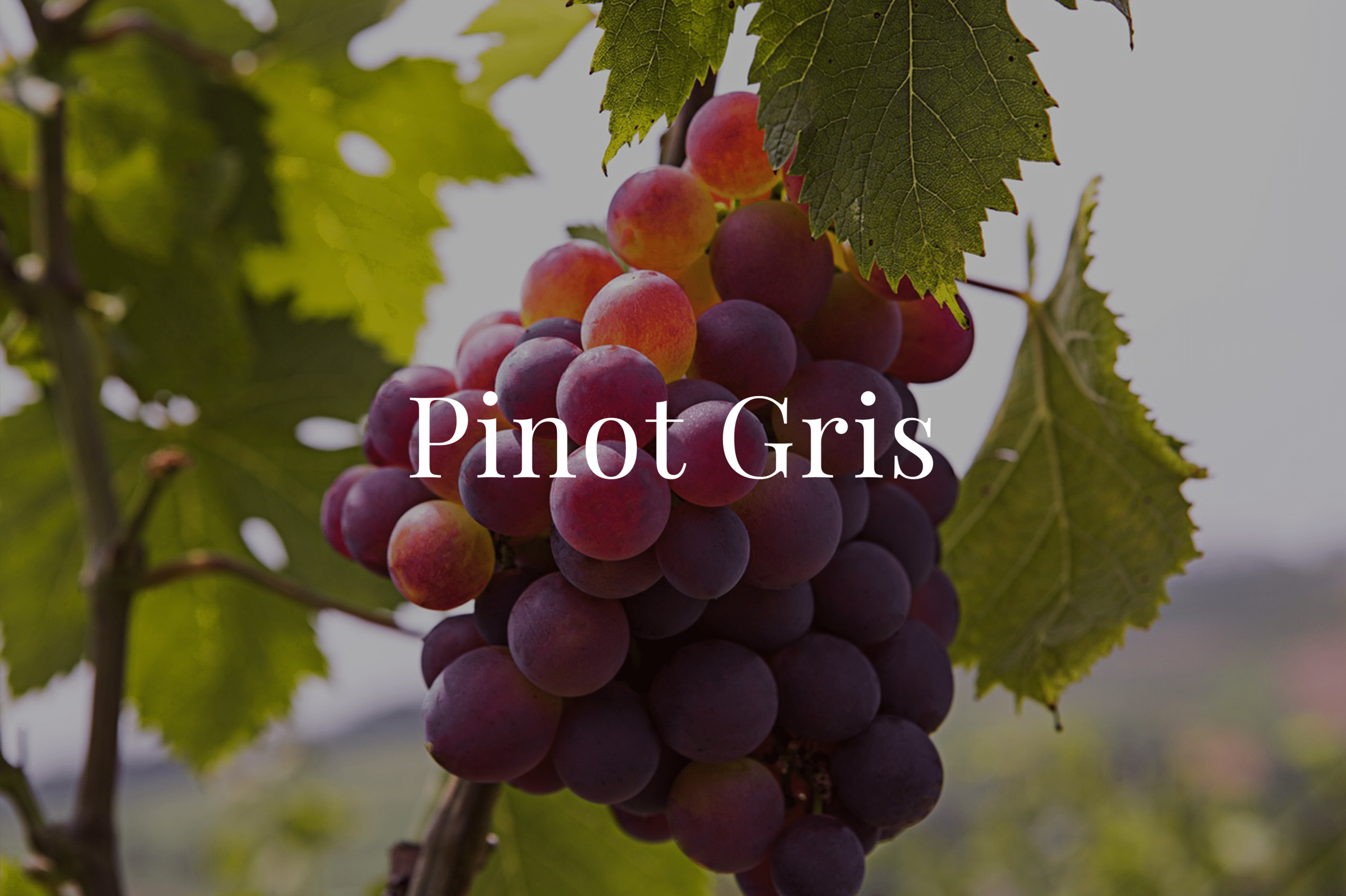
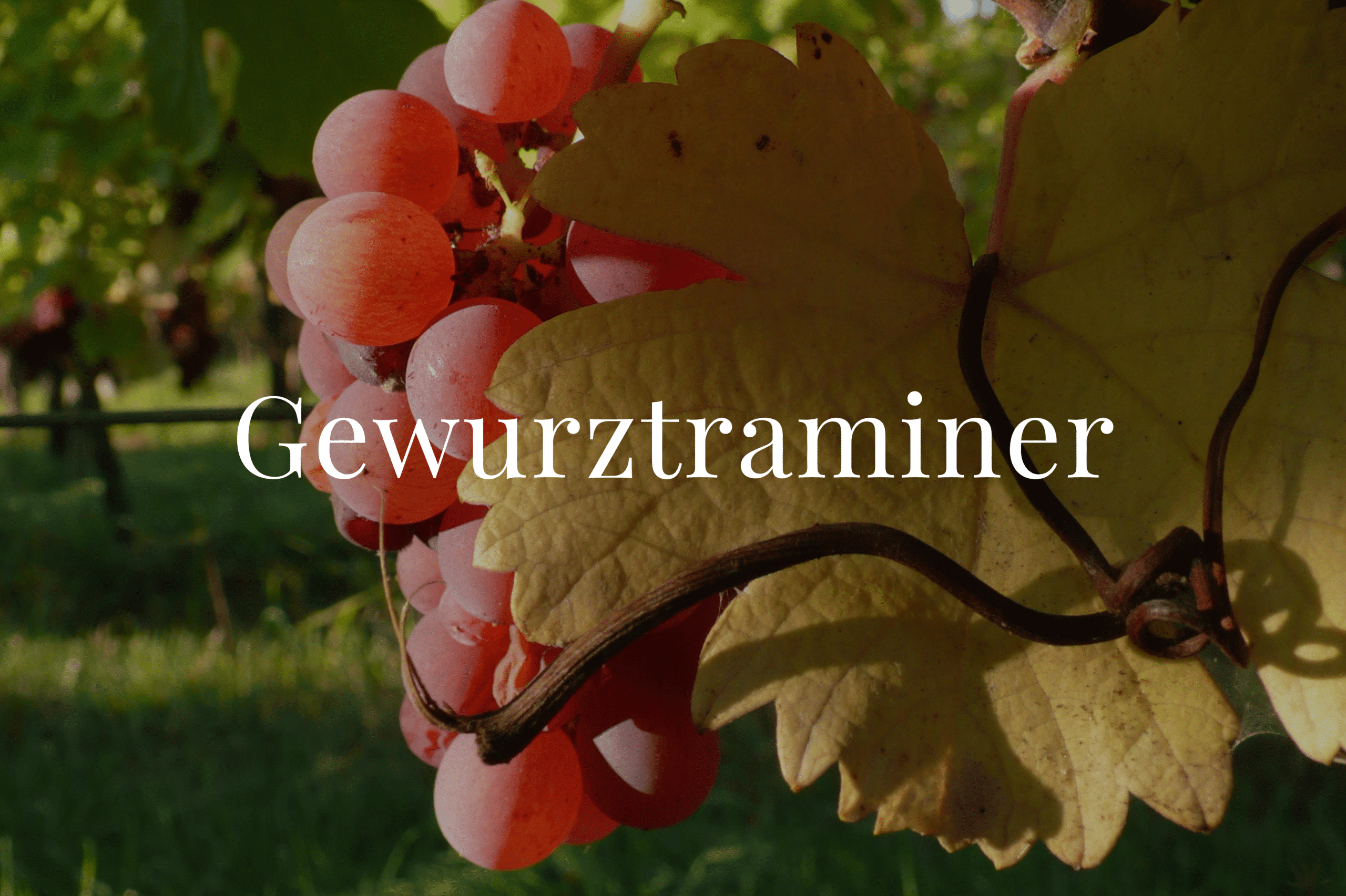
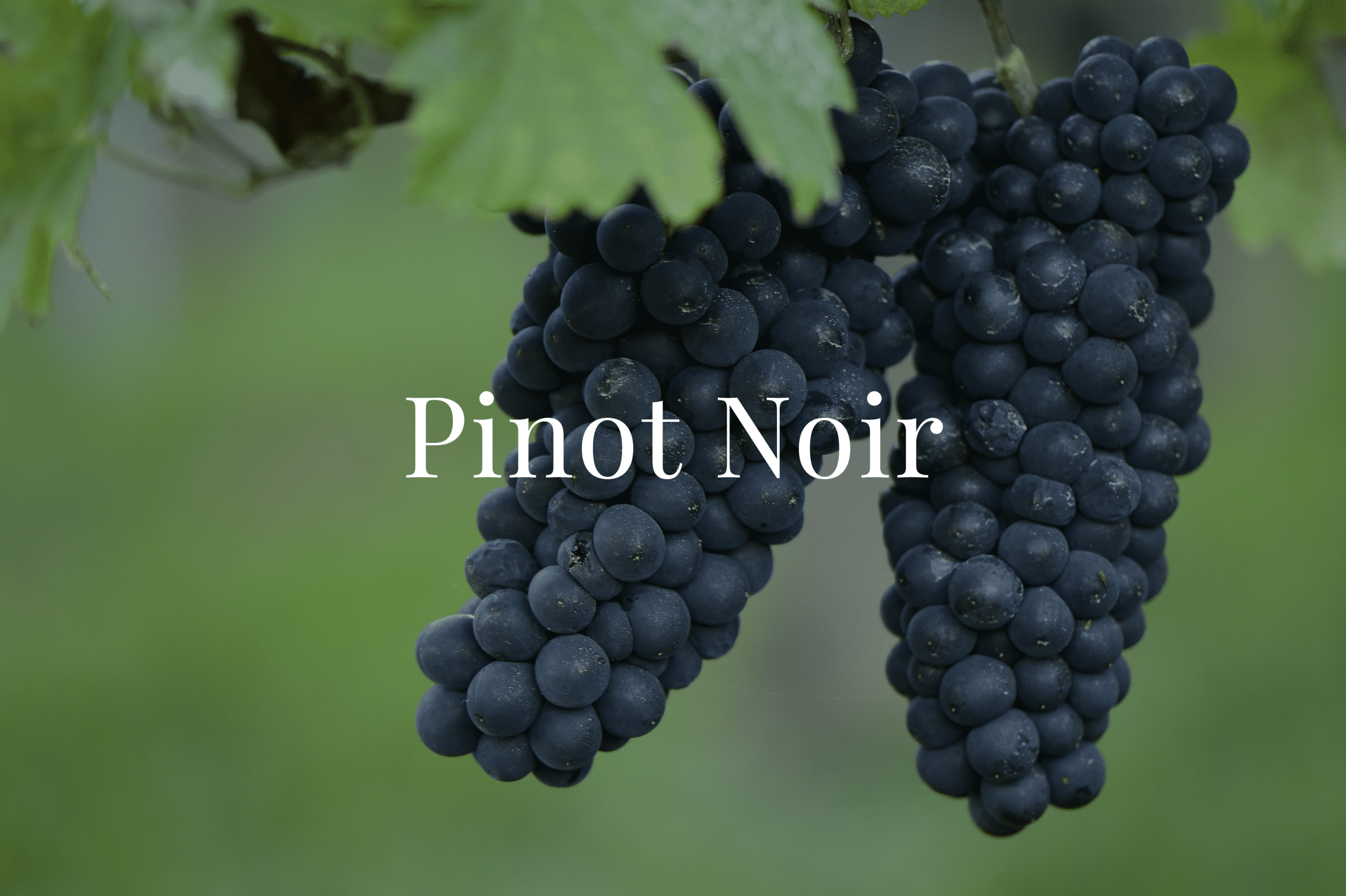
Alsace is rich not only in its terroirs, but above all in its grape varieties, and this is what makes the region so special. Discover the Alsace grape varieties that will accompany your meal.

DISCOVER
Our varieties.
THE 7 GRAPE VARIETIES OF ALSACE
A wide range of traditional varieties.
The history of Alsace grape varieties
The influence of multiple cultures and eras.
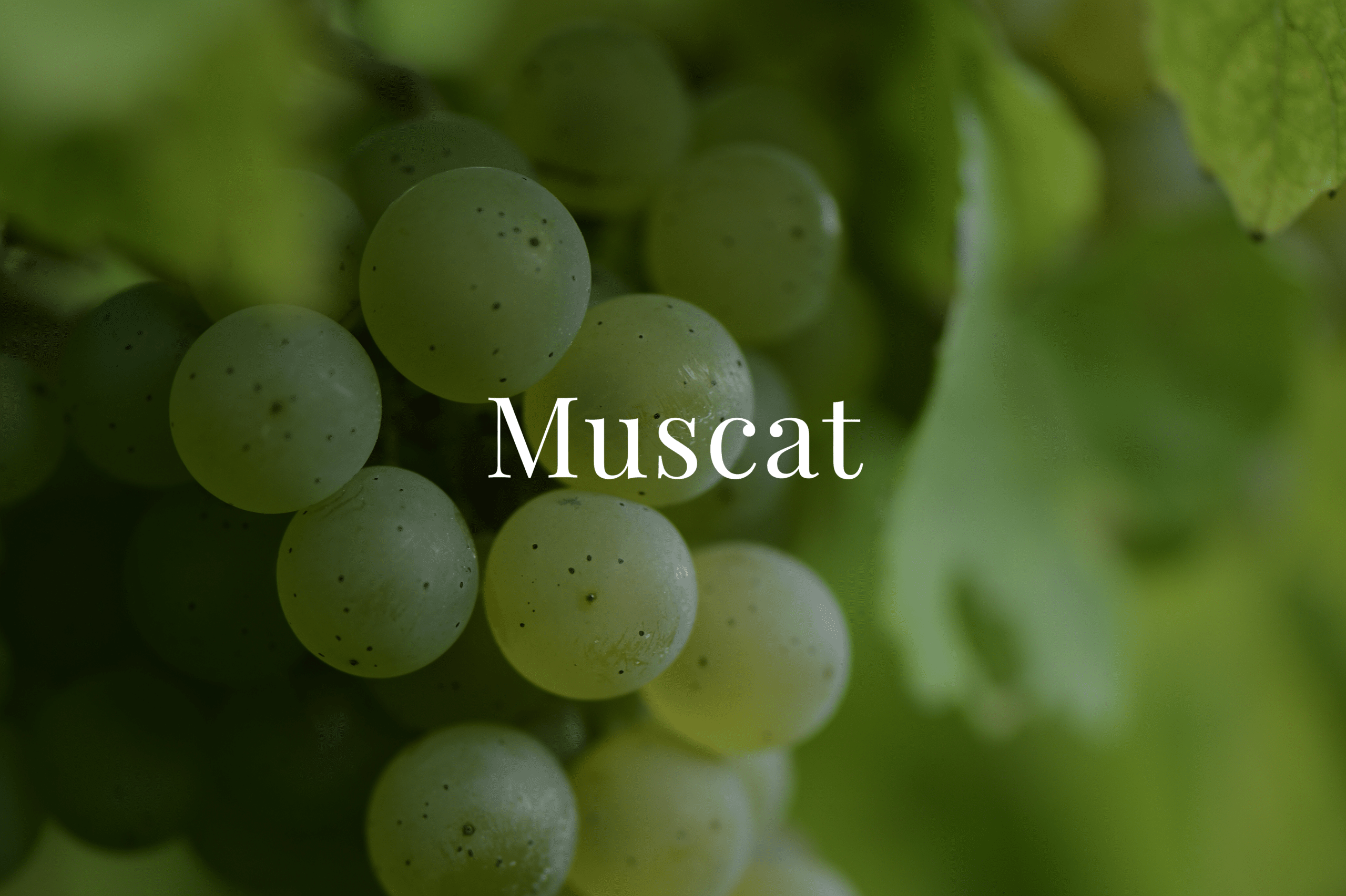
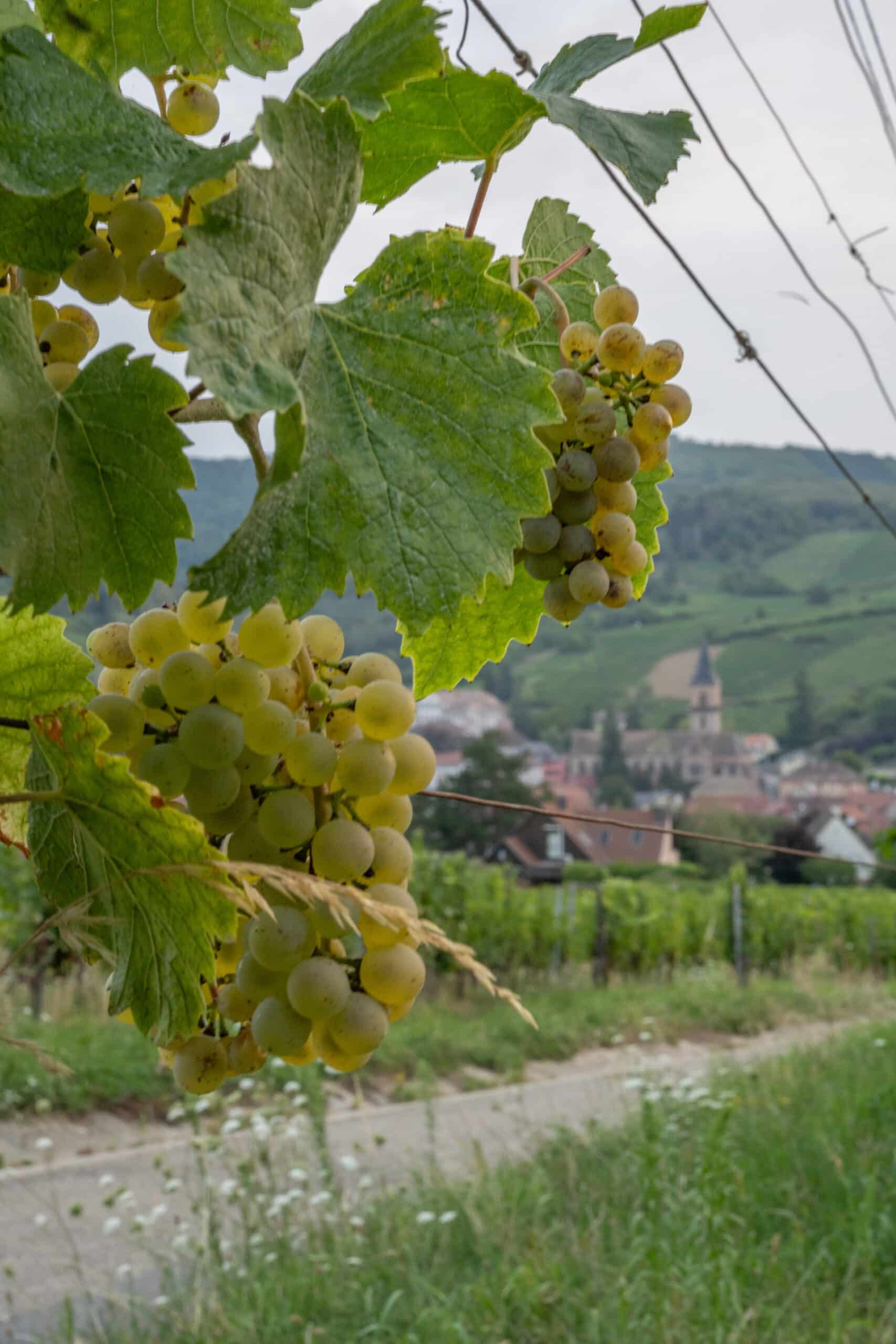
The first traces of viticulture in Alsace date back to the 2nd century AD. The Romans introduced Mediterranean grape varieties such as Muscat and Pinot Gris.
During the Middle Ages, the monks of the local monasteries played a key role in the development of viticulture, cultivating various grape varieties and perfecting winemaking techniques.
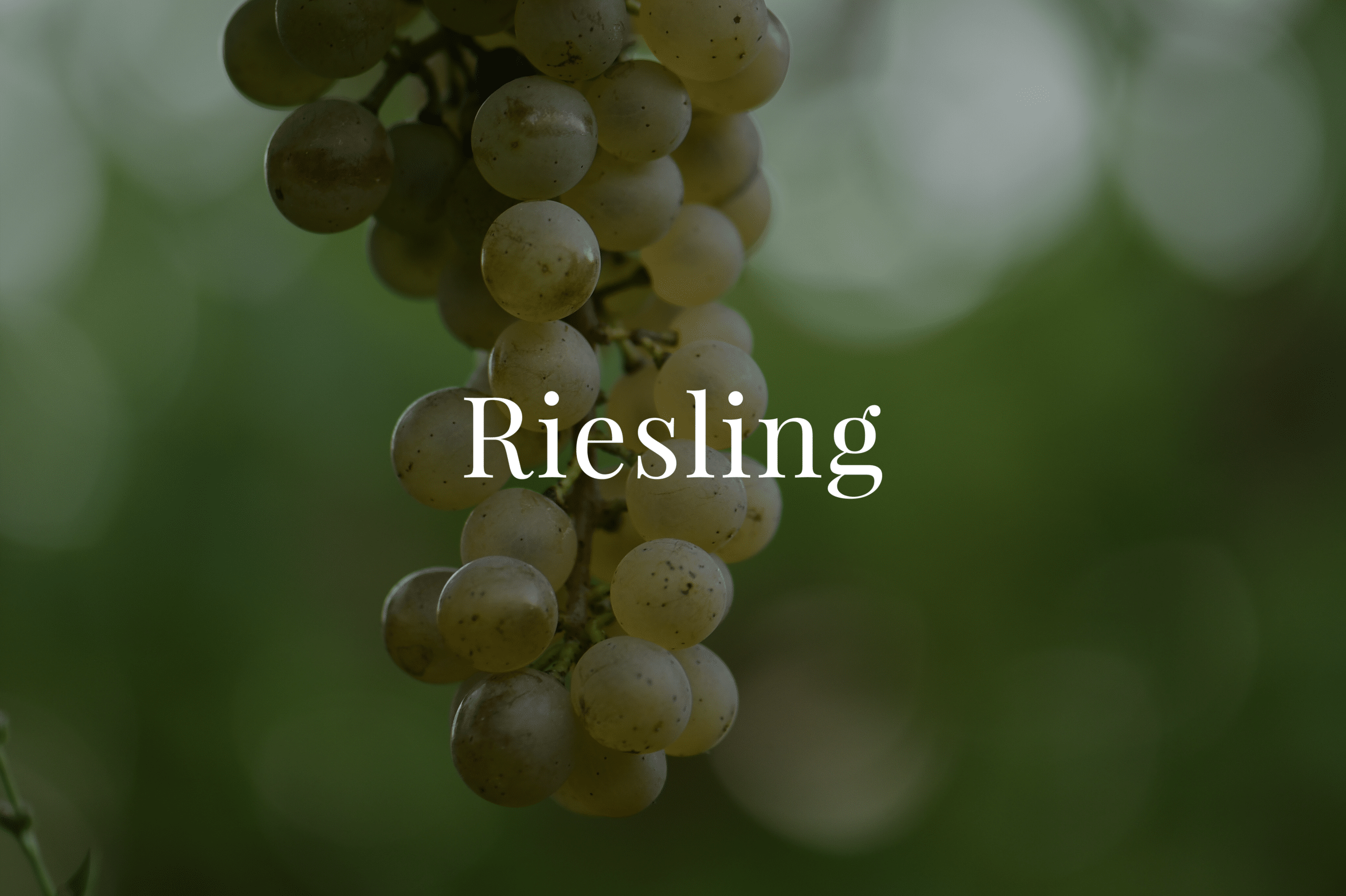
In the 19th century, the region became German, and Germanic grape varieties such as Riesling were widely planted.
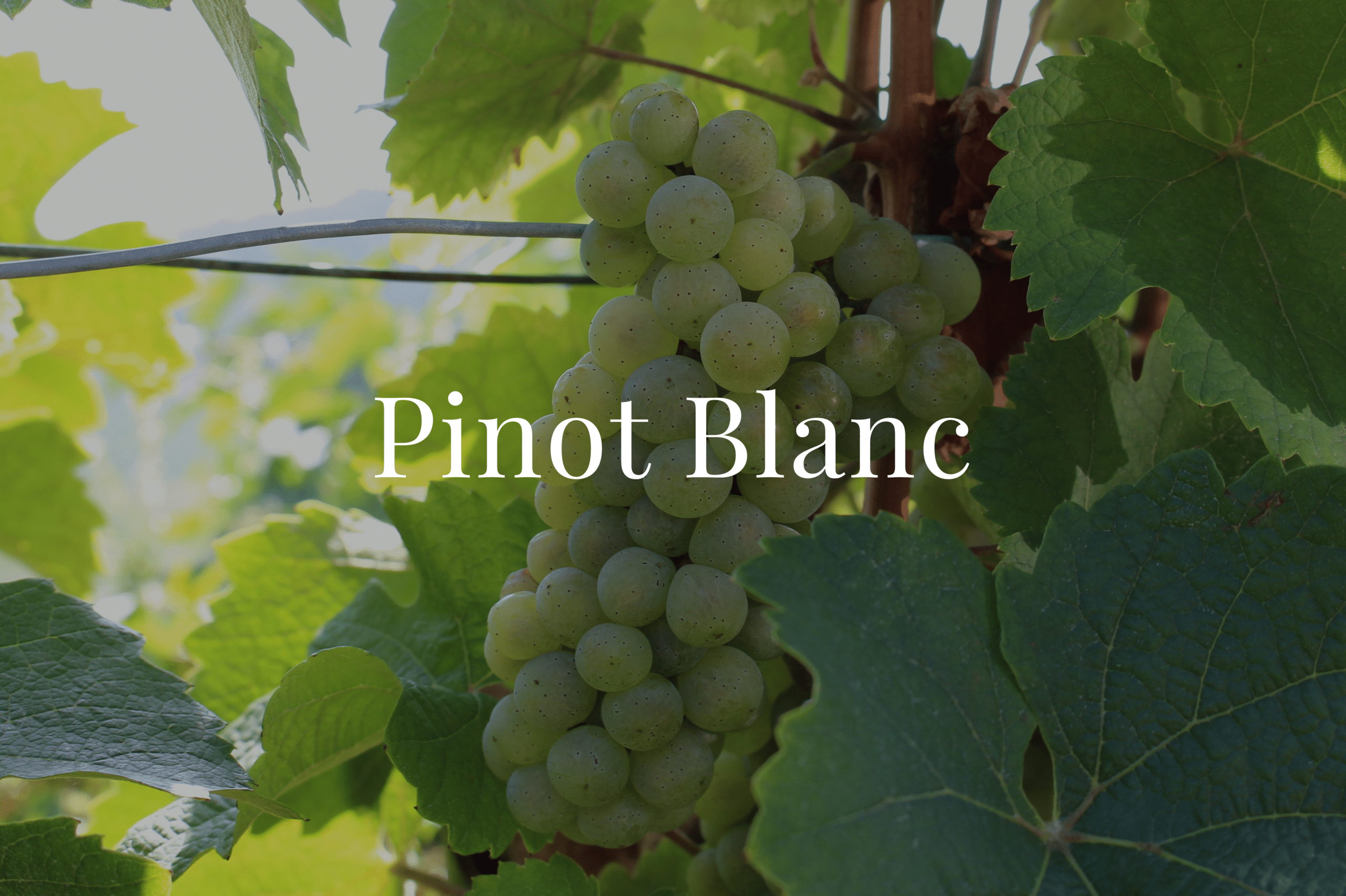
Alsace experienced a major turning point in the 1950s when winemakers began replanting traditional Alsatian grape varieties such as Pinot Blanc and Gewurztraminer. The aim was to preserve Alsace’s winegrowing identity while continuing to produce quality wines.
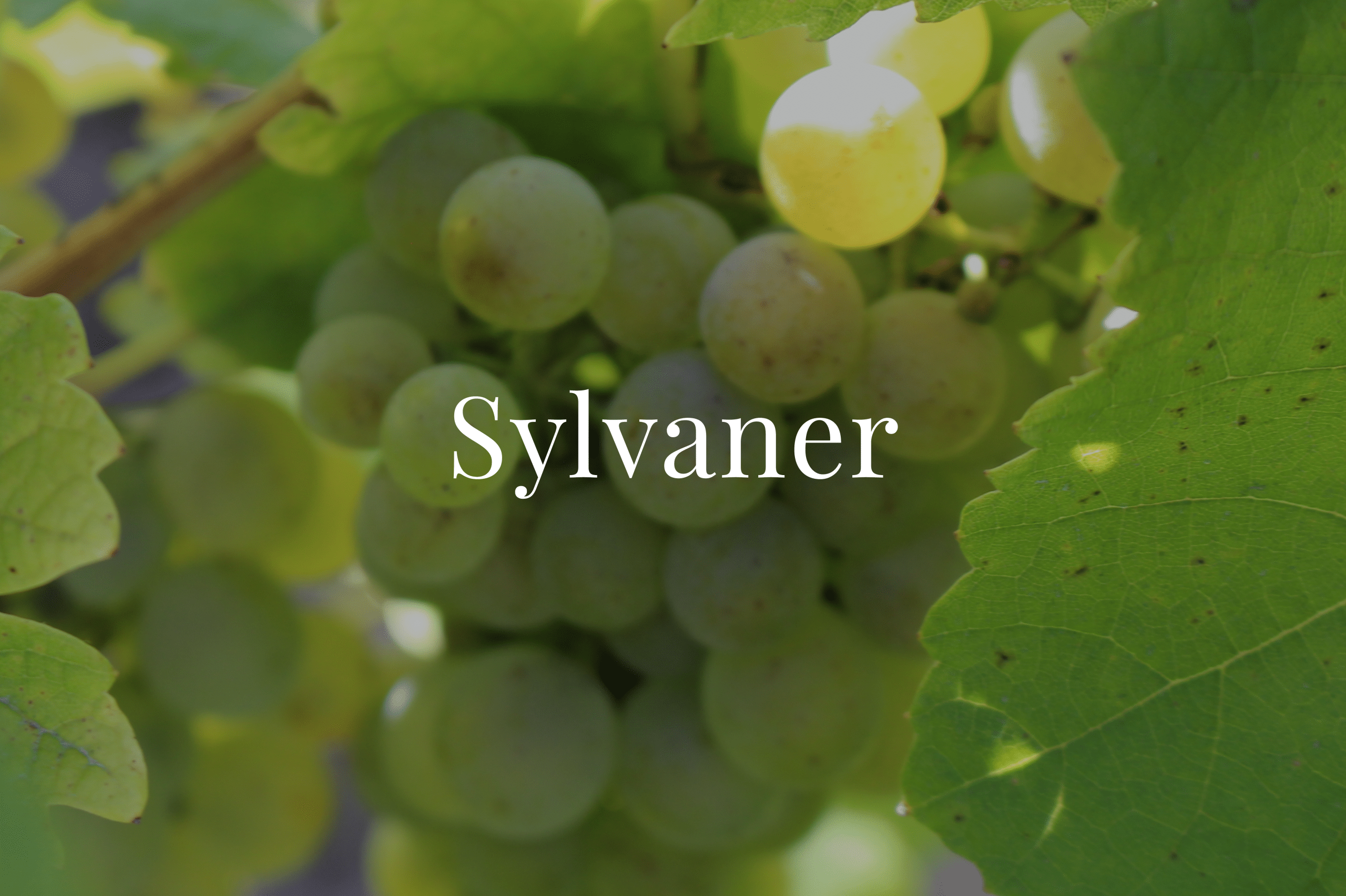
In 1962, the Alsace appellation d’origine contrôlée (AOC) was created to guarantee the quality of Alsace wines. These regulations define the authorized grape varieties, including Riesling, Gewurztraminer, Muscat, Pinot Gris, Pinot Blanc, Sylvaner and Pinot Noir.


ALSACE'S WEALTH OF VINEYARDS
Through its 7 emblematic grape varieties.
Alsace is renowned for the quality of its wines, which reflect the region’s rich and unique terroir. Alsace grape varieties offer an exceptional range of flavors, from dry, fresh wines to sweeter, more complex ones. Indeed, each grape variety has its own character and olfactory particularities, allowing wine lovers to discover a veritable treasure trove of flavors. You’ll always find an Alsace wine to accompany your meal.
DISCOVER
Alsace grape varieties.
Several grape varieties are used in the region. There are 7 main grape varieties used in the production of Alsace wines and Crémants.